Category: Events

20260313_113655

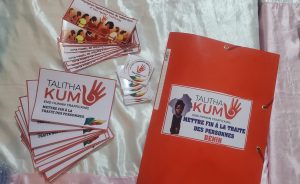
New Talitha Kum Network in Benin

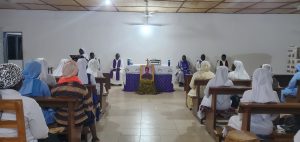
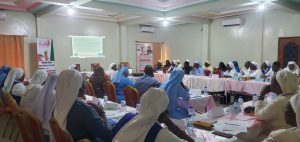
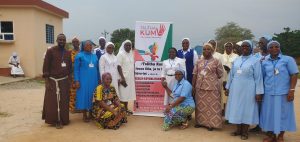
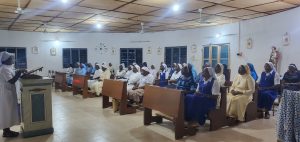
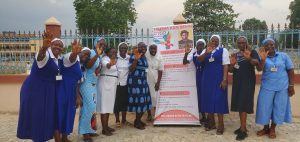
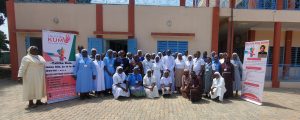
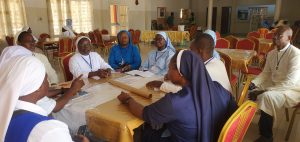
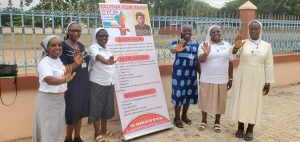
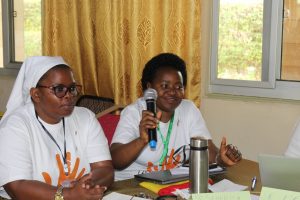
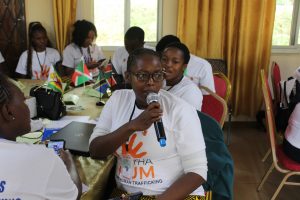
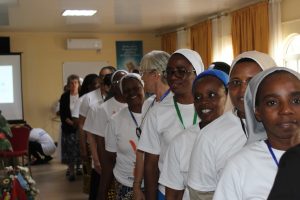
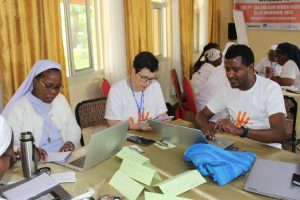
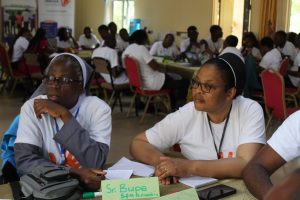
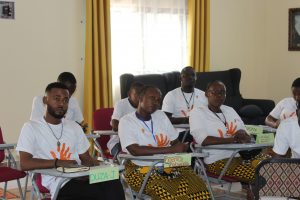
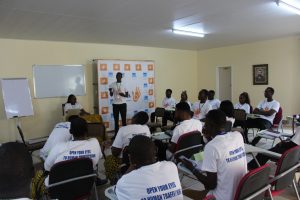
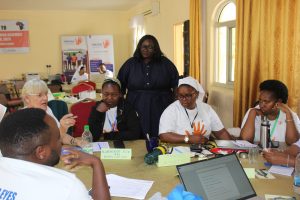
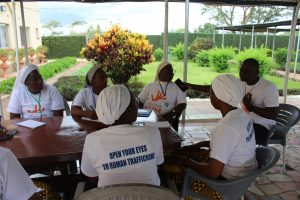
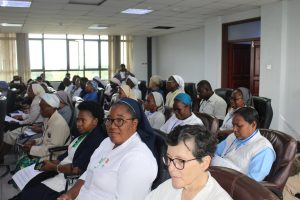
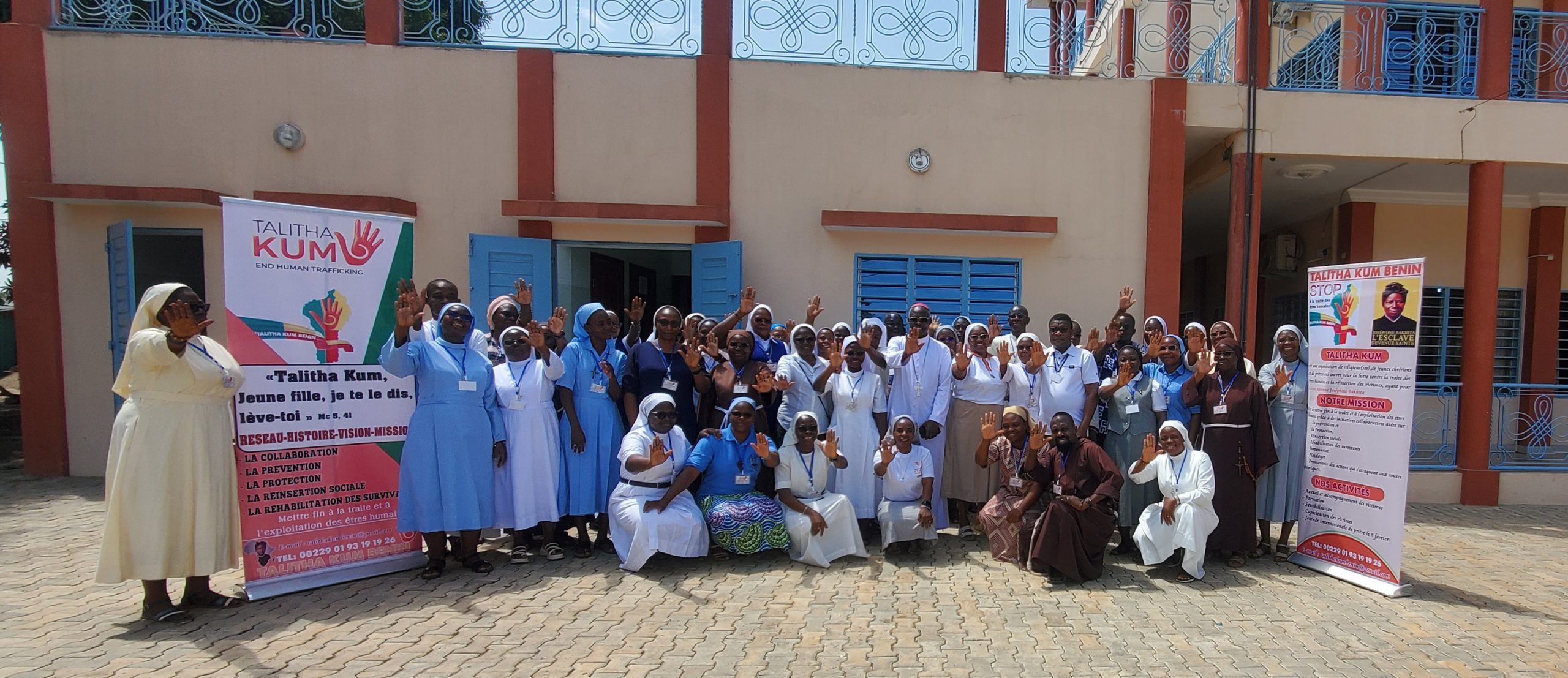
From March 13 to 15 in Dassa-Zoumé, 45 Religious women and men gathered for a formation conducted by the Talitha Kum Africa team. The goal of this formation was to deepen the participant’s understanding of the realities of human trafficking in Benin and across West Africa, while equipping and strengthening their skills to identify, prevent, and respond to exploitation

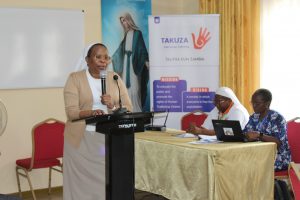
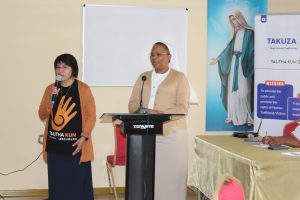
We were honored by the presence of Bishop François Gnonhossou and Fr. Aubin Gbessat, Episcopal Vicar, who expressed their support and encouragement for carrying out the mission of Talitha Kum throughout the country. They congratulated the participants, highlighting that representatives from 7 of the 10 dioceses of Benin took part in the formation.

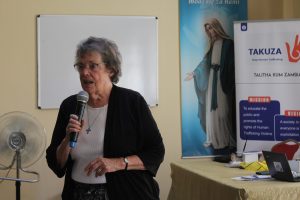
The core training team was composed of Sr. Kayula Lesa, Regional Coordinator for Talitha Kum Africa, along with Sr. Yvonne Bambara who preceded her in this role, and Sr. Marie-Reine Zanou, regional hub coordinator for the Talitha Kum networks in West Africa. During the formation, participants took part in various workshops and presentations on the role of Talitha Kum network and the Church in preventing trafficking, along with national and international legal frameworks. The sessions also highlighted the importance of collaboration, networking, awareness-raising, and youth and survivors empowerment.

Most importantly, the participants gained a clearer understanding of the root causes of trafficking and how to recognize its signs in their communities. In Benin, the common forms of trafficking include domestic servitude, child labor, and sexual exploitation, all exacerbated by poverty. The cultural beliefs around witchcraft to the stigma faced by children so-called “enfants sorciers” is also prevalent; children born with perceived “differences” or those whose mother dies during childbirth, are often rejected by their communities and placed at high risk of trafficking.

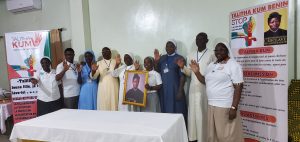
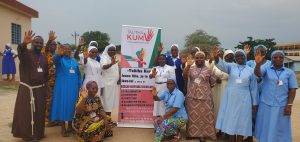
The three-day formation was highly impactful with strong participants’ engagement and insightful sharing. It culminated in the establishment of a national team, led by Sr. Florence Agbani, OCPSP, committed to the anti-trafficking mission as part of the Talitha Kum global network.

With the launching of the Talitha Kum Network in Benin, we will align ourselves with the Beninese government’s policy to put an end to human trafficking. May the Lord help us and, with the support of our partners, provide us with the necessary means to protect the most vulnerable from these practices.” said Fr. Firmin Some, member of the Talitha Kum Benin national team.

Congratulations to Talitha Kum Benin!!
IMG_8180

Faith & Leadership United: Highlights from the 2nd Talitha Kum Africa General Assembly

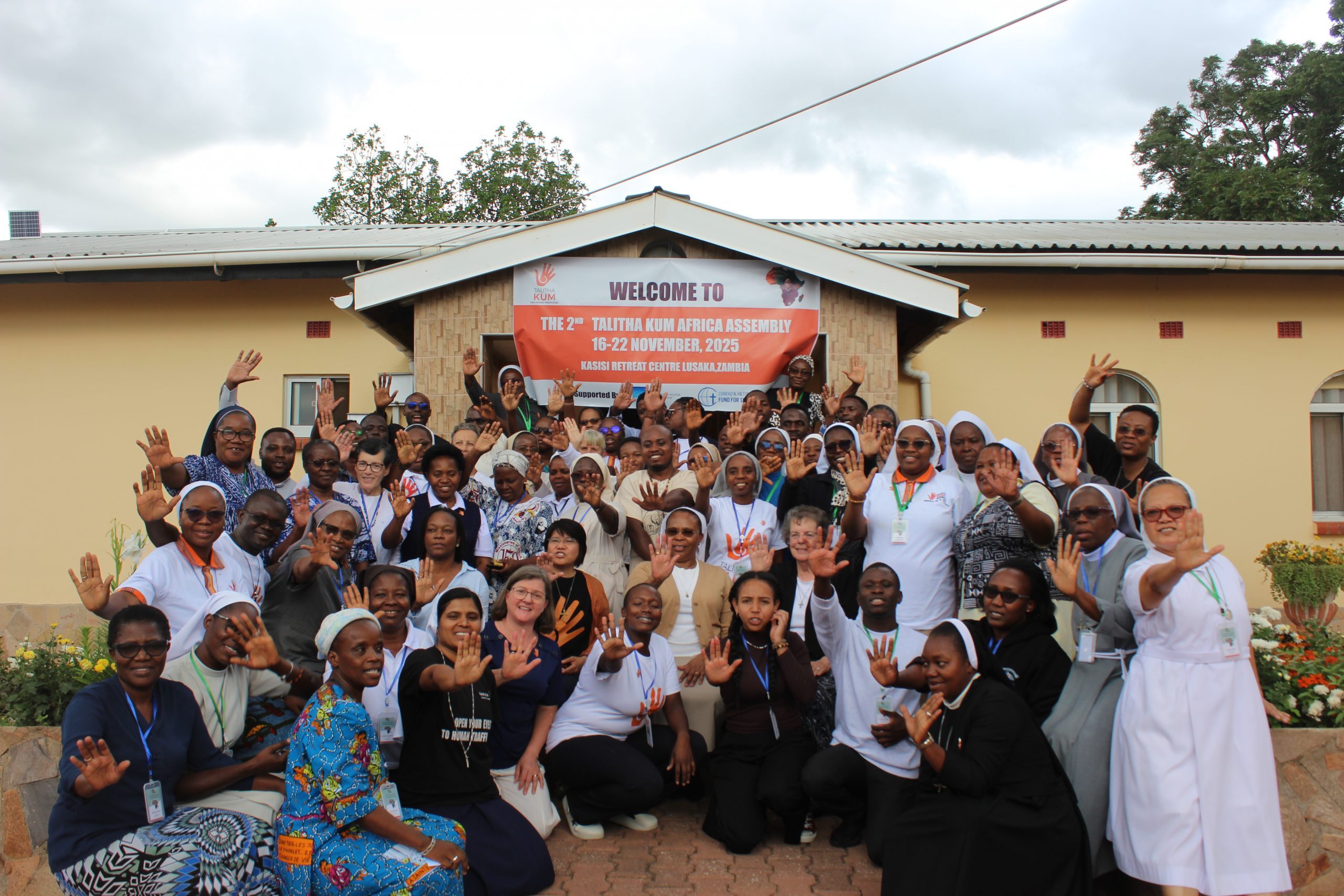
The General Assembly opened in a spirit of urgency and solidarity — a continental chorus of sisters, partners, survivors and youth advocates gathered to ask the same hard question: How do we stop human trafficking and rebuild lives? The answer was never a single policy or program. It came in stories, in statistics, in witness and in the quiet insistence of sisters who walk into the most dangerous places simply because someone must.

At the heart of the Assembly was the Sisters Anti-Trafficking Awards (SATAs) — a night of honour that put faces to courage and lifted up women religious who have built safe places, changed systems and restored dignity.

The Talitha Kum Africa’s 2nd General Assembly unfolded over a powerful and reflective week at the Kasisi Retreat Centre, Lusaka, Zambia. Beginning with an opening prayer rooted in Micah 6:8: “walk humbly with God and act with justice.” The atmosphere was alive with African drums and ululating as Coordinators and Youth Ambassadors processed with their country flags, a vivid celebration of unity, culture and shared purpose. This Assembly, held under the theme “Stronger Together: Building Resilience in Combating Human Trafficking,” served as a sacred space where members prayed, listened, learned from one another and discerned new pathways of resilience in response to increasing human trafficking challenges across the African continent. It was against this backdrop of deep reflection, solidarity and renewed commitment that the week ended in a global moment of recognition and hope: the 2025 Sisters Anti-Trafficking Awards (SATAs).

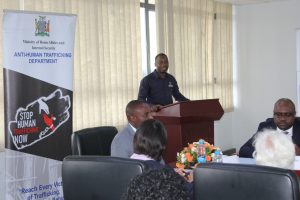
During the Assembly, participants were deeply moved by encounters that revealed the stark realities facing vulnerable communities. One of the most striking highlights was the delegation’s courtesy visit to the Zambia Government Ministry of Home affairs and Internal Security, Department of Anti-Human Trafficking, where participants were received by the Director and the full departmental team. Zambia remains one of the few countries globally) with a dedicated government structure focused solely on combating human trafficking. During the meeting, the Department shared detailed insights into national efforts across the 4Ps: Prevention, Protection, Prosecution and Partnerships, outlining recent successes and ongoing reforms. A dynamic Q&A session followed, covering critical issues such as the protection of the Talitha Kum Zambia network as they support trafficking cases, the screening of detainees in correctional facilities and the policies that have enabled Zambia to make meaningful progress in combating trafficking, achievements recognised in both the 2024 and 2025 U.S. Department of State Trafficking in Persons (TIP) Reports. The exchange left participants inspired, encouraged and more deeply aware of what is possible when government and faith-based organisations walk together with the shared mission of upholding human dignity.

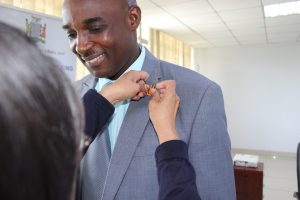
It is this same unwavering belief in human dignity that took centre stage at the SATA Awards ceremony, where Three Outstanding Religious Women were honoured for their transformative contributions in the global fight against human trafficking.

Talitha Kum Morocco Youth

Empowering Frontline Volunteers: Talitha Kum Morocco’s Mission to Strengthen the Fight Against Human Trafficking

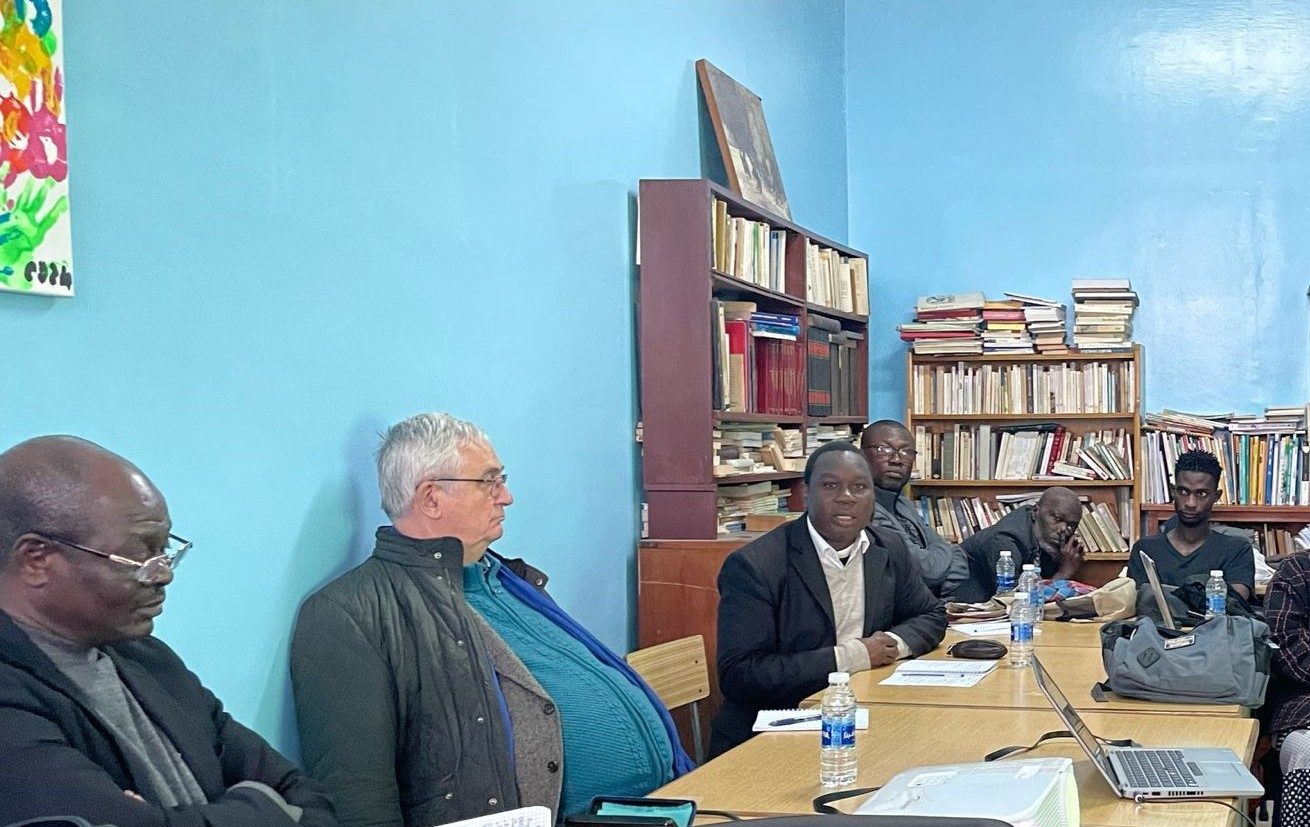
PREVENTINGHUMAN TRAFFICKING STARTS WITH PEOPLE WHO ARE CLOSEST TO THOSE AT RISK.        The more they know, the better they can protect. That’s why, since January 2025, the young ambassadors of Talitha Kum Morocco have been on a mission—equipping frontline volunteers with the knowledge and tools they need to recognize, respond to and prevent human trafficking.

Their focus has been the dedicated volunteers of La Cigogne-Caritas Morocco, an organization that provides material, health and psychological support to migrants in precarious situations. Over the course of three interactive training sessions, the team explored some of the most pressing issues surrounding trafficking in Morocco, covering:
• The different forms of human trafficking specific to Morocco.
• Recognizing the warning signs that someone might be a victim of human trafficking.
• The psychosocial approach to supporting victims and potential victims.
• Victims’ rights and Morocco’s legal frameworks on human trafficking.
• How to report cases and ensure victim protection.
Beyond the training sessions, this initiative became a learning experience for the young ambassadors as well. It gave them insight into how La Cigogne-Caritas Morocco reaches out to migrants and supports them in their daily struggles. Through discussions and real-life case studies, they deepened their understanding of the challenges on the ground, making the sessions even more impactful for everyone involved.
Then came a particularly special moment. On March 8th, International Women’s Rights Day, the team had the privilege of meeting migrant women, listening to their stories and standing in solidarity with them. Marking a powerful way to conclude this phase of the journey—a strong reminder of why this work matters.
The response to the training was overwhelmingly positive, reaffirming the need for more initiatives like this. Encouraged by the success, Talitha Kum Morocco is looking ahead, determined to expand this project to more organizations and reach even more people on the frontlines.
Because when knowledge is shared, lives can be changed.